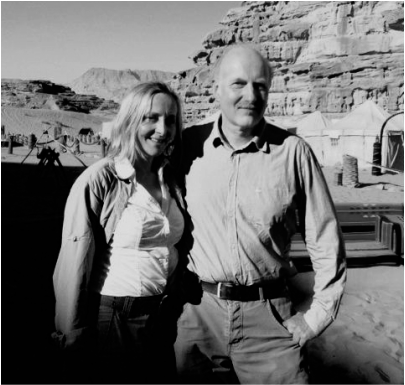
“Deep down in my heart,” says Leo Philipp Schmidt, “I'm still the rock ‘n’ roller I used to be.” And that explains a lot. What he means is his love of rousing rhythms, of the sound of a cool distorted electric guitar, of the persuasive power of an impressive voice that doesn't have to be beautiful in the classical sense. It also means having the courage to empower oneself, to be curious and to cross boundaries, to try things out without reservation, even if that means sweeping rules of decorum and conventions off the table and creating new ones of one's
own.
The vision of the multi-talented Leo Philipp Schmidt leads far away from what is commonly understood as rock. Growing up in an artistically influenced home, he picked up a brush and oil paints at an early age. Later came music, first Bach, classical music, then guitars, boundlessness, groove. Over time, other forms of artistic expression were added, including sculpture, architecture, urban planning, theater, film, writing, screenplays, and poetry, all of which follow a subtle interplay of experiences and relationships, human encounters, and content-related inspiration that this travel-loving talent brings with him from the various places he has visited throughout his life.
As a musician, Schmidt first plays keyboard and flute, very promisingly, and with his band he has the opportunity to warm up the stage for Deep Purple at an event. A protracted illness in his youth tore him away from all contexts. In the hospital, he was left to his own devices and began to re-engage with music. Since then, he has primarily seen himself as a composer in his music. However, he is one who does not care about industry rules, who composes what seems important to him at the moment: orchestral concerts with harpsichord and/or in the spirit of minimal music, chamber music gems for two pianos, three cellos, or other extraordinary ensembles, nonconformist soul or rock songs in which violins contribute the pressure and grit that are actually the responsibility of electric guitar circuits. Nothing is ruled out, and much depends on the musicians Schmidt gathers around him, step by step, encounter by encounter.
When Schmidt reaches the point in his life where one chooses a career for life, he takes another unexpected turn: Schmidt studied medicine, has long been a specialist in orthopedics and trauma surgery, and runs a medical care center for the largely untapped field of interdisciplinary pain therapy with his wife, Johanna Michel, who is an equally versatile filmmaker and screenwriter, anesthesiologist, and pain therapy physician. But Schmidt does not accept purity laws and does not shy away from mixing and blurring boundaries. For him, everything flows together; all his various interests and areas of activity, the working relationships and friendships he has acquired along the way, belong together and enrich each other. The trance effect of Afghan drum rhythms unfolds therapeutic potential in the treatment of pain and trauma patients and later reappears in compositions that, with the help of the voice of Jessica Rhaye, a singer from the almost arctic Canadian east coast, make it into the charts of the Francophone world. It goes without saying that his inclusive attitude does not fit into the exclusive pigeonholing systems of the established scientific and cultural establishment, which is concerned with keeping its market strategies pure. For him, culture is essential for ensuring community life.
The urge to build bridges is also behind the most ambitious project currently being undertaken by the versatile life and work partners Leo Philipp Schmidt and Johanna Michel: the acronym B.A.S.S. (for Bridging Art and Science Symposium) stands for a series of events in which the latest findings from the arts and natural sciences, such as neurobiological brain research, interact on an equal footing. The two organizers draw on a large pool of trusted, high-caliber employees and colleagues, actors from various disciplines, musicians from the classical European, Indian, and Afghan music scenes, as well as folk, rock, and jazz musicians from all over the world, who have become friends in the course of their diverse endeavors. While the title of the first edition of this extraordinary symposium at the Konrad Wolf University of Film and Television in Potsdam-Babelsberg was sufficient in itself, the current, second B.A.S.S. edition in October 2016 at the Alte Oper in Frankfurt is based on the leitmotif “Conscious. Being.” A bouquet of lectures by luminaries such as neuroscientist, pain researcher, and former head of the Department of Clinical Neuropharmacology at the Max Planck Institute of Psychiatry in Munich, Walter Zieglgänsberger, performances with actress Regina Stötzel and others, an introduction to Konnakol, a syllabic language used to vocalize the complex rhythms of classical Indian music, and various concerts featuring compositions by Leo Philipp Schmidt, leads into the crowning B.A.S.S. project, a multimedia event with artists from twelve countries, for which Schmidt created not only the music but also the artwork. As diverse as the sounds and stylistic cross-references may be, in its decidedly independent way, this music will simply be: conscious. Transcending boundaries. And it will rock.
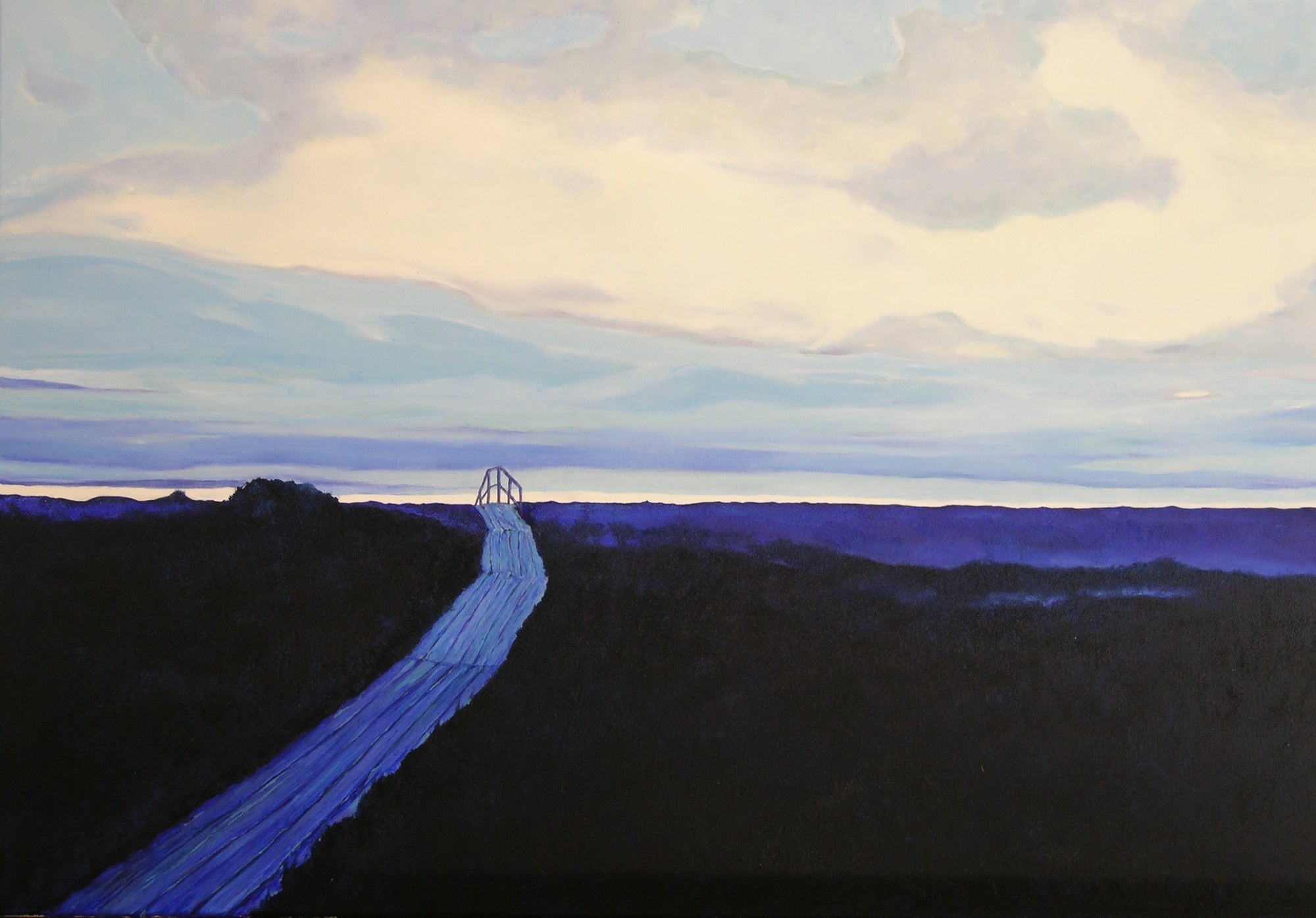

![Deep Relaxation [DOWNLOAD]](http://shop.valle-venia.com/cdn/shop/files/Booklet_DVD_1.jpg?v=1710763952&width=533)

![High Tides [DOWNLOAD]](http://shop.valle-venia.com/cdn/shop/files/HighTidesfeatJessieBrownTitel.jpg?v=1735827981&width=533)


![Contemporary W [DOWNLOAD]](http://shop.valle-venia.com/cdn/shop/files/1Contemporary_w.jpg?v=1735915415&width=533)